Search
Back


For cold chain transportation, refrigeration units are core equipment to keep goods at a constant low temperature during transit and guarantee transportation quality.
Daily Inspection
Compressor condition
Regularly check for abnormal noise, vibration or overheating during operation. Sharp friction sounds usually indicate a loose belt; creaking metal clinks may result from loose screws.
Refrigerant level
Check the refrigerant level via the sight glass. If no liquid level is visible, the refrigerant is insufficient and needs refilling. This work must be done by professional technicians with dedicated maintenance tools.
Pipelines & joints
Inspect pipelines and joints for refrigerant leakage. You can make a preliminary check by observing oil stains on surfaces or feeling abnormal coldness. Stop operation immediately and arrange repairs once leakage is found.
Belt condition
Check if the belt is loose, worn or aged. Press the fan belt with your thumb: the normal sag should be 0.5 inches. Adjust or replace the belt promptly if it fails to meet the standard.
Regular Cleaning
Condenser
Dust, debris, insects and catkins easily accumulate on the condenser while the vehicle is running, impairing heat dissipation. Clean debris from top to bottom with a soft brush first, then rinse gently with a low-pressure water gun.
Evaporator
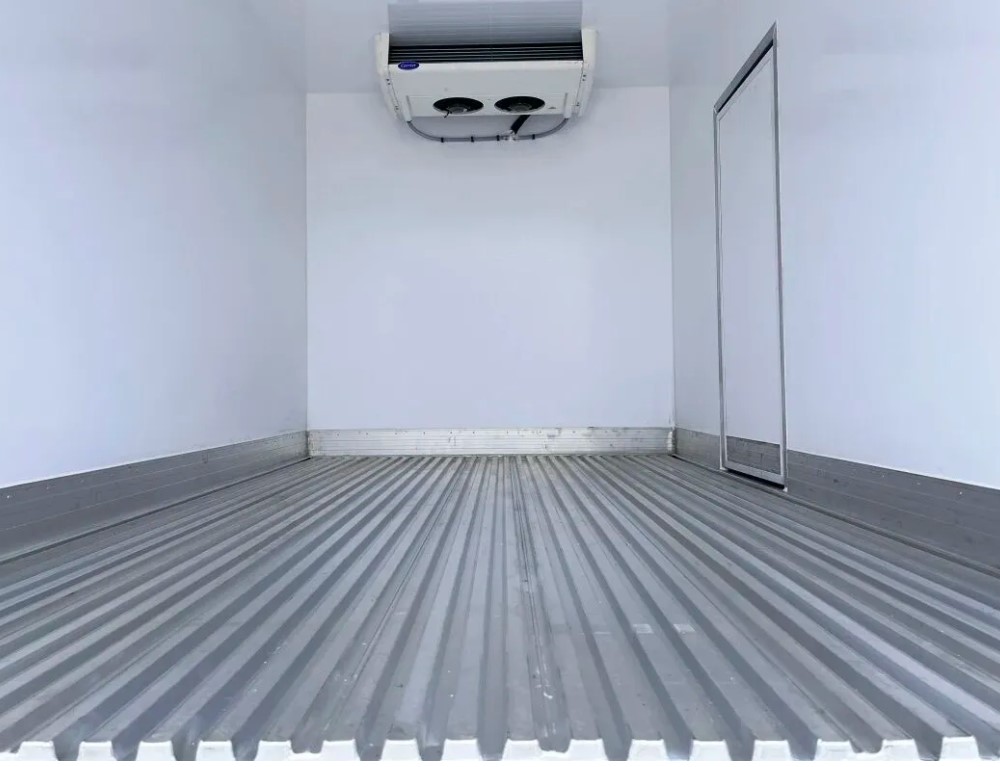
Dirt buildup on the evaporator will reduce heat exchange efficiency. Most evaporators adopt copper coil structures. Clean the fins thoroughly with a water gun and brush.
Scheduled Maintenance
Filter replacement
Replace the compressor filter periodically to ensure normal air intake and stable operation.
Desiccant receiver replacement
Replace the external desiccant receiver every 1 year. It removes moisture and impurities inside the refrigeration pipelines.
Compressor oil, refrigerant & expansion valve replacement
Replace compressor oil, refrigerant and expansion valve every 2 years.
System dehumidification
After pressure leak detection passes, perform system dehumidification via vacuum drying or dry gas displacement.
Follow the above steps to protect your transportation profits steadily.
In 2026, keep moving forward with SUNHUNK!